TLDR:
A holistic approach to gastrointestinal (GI) health integrates multiple factors, including nutritional, psychosocial, and medical interventions, to provide comprehensive care. This multifactorial method, aimed at healthcare professionals like physiotherapists and nurses, enhances patient outcomes through tailored treatments and collaborative care.
Gastrointestinal disorders are some of the most complex medical conditions, affecting millions of individuals worldwide. These disorders range from common issues like irritable bowel syndrome (IBS) to more severe conditions like Crohn’s disease and ulcerative colitis. The complexity of these disorders often results in a wide variety of symptoms and significantly impacts individuals’ quality of life. Therefore, clinicians dealing with GI health must adopt a multifaceted approach to ensure comprehensive care.
Understanding Gastrointestinal Disorders
The term “gastrointestinal disorders” encompasses a wide range of conditions affecting the digestive tract, from the esophagus to the stomach, intestines, and colon. These disorders can manifest in various ways, including abdominal pain, bloating, diarrhea, constipation, and more severe complications like internal bleeding. Functional bowel disorders, such as IBS, are characterized by the absence of anatomical abnormalities but can cause significant distress and disruption to daily life.
Understanding the pathophysiology, or the functional changes that occur in the body due to these disorders, is crucial for clinicians. This understanding allows professionals to identify potential triggers, such as diet, stress, and other environmental factors, that might exacerbate symptoms. Developing a comprehensive understanding helps in formulating tailored intervention strategies that take into consideration the unique circumstances of each patient.
Common Bowel Dysfunctions
Understanding bowel dysfunctions is essential for clinicians managing gastrointestinal health. Below are some of the most common conditions, briefly defined:
Dyssynergia: A dysfunction of the pelvic floor muscles and anal sphincter coordination, often leading to difficulty in relaxing the muscles during bowel movements. It can cause chronic constipation, straining, and incomplete evacuation due to impaired muscle coordination.
Constipation: Characterized by infrequent, difficult, or incomplete bowel movements. It can result from slow intestinal transit, dietary factors, medication use, or pelvic floor dysfunction. Symptoms include hardened stool, straining, and a sensation of incomplete evacuation. Structural issues such as rectocele can also create difficulty with bowel movements.
Irritable Bowel Syndrome (IBS): A functional disorder marked by recurring abdominal pain, bloating, and altered bowel habits—either diarrhea, constipation, or a mix of both—without identifiable structural abnormalities. Stress, diet, and gut motility play roles in its development.
Crohn’s Disease: A chronic inflammatory bowel disease (IBD) that can affect any part of the gastrointestinal tract from mouth to anus. Symptoms include diarrhea, abdominal pain, weight loss, and fatigue. It involves inflammation, ulceration, and sometimes fistula formation, often requiring medical or surgical intervention.
Ulcerative Colitis: Another form of IBD, limited to the colon and rectum, characterized by continuous inflammation and ulceration of the colonic mucosa. Symptoms include diarrhea with blood, abdominal cramps, and urgency.
Fecal Incontinence: The involuntary loss of stool, which may result from weakness of the anal sphincter muscles, nerve damage, or chronic constipation. It significantly impacts quality of life and may necessitate specialized therapy or medical devices.
Diverticulosis: The presence of small pouches (diverticula) in the colon wall, typically asymptomatic but can sometimes lead to diverticulitis, causing abdominal pain, fever, and changes in bowel habits.
Integrating Physical and Psychosocial Interventions
The integration of physical and psychosocial interventions is a cornerstone of holistic GI care. Physical therapy and occupational therapy are essential in addressing the physical impairments associated with gastrointestinal disorders. These therapies focus on improving abdominal and pelvic floor muscle function, which plays a significant role in digestion and has been linked to various digestive issues.
Manual therapy techniques, including soft tissue mobilization and myofascial release, can alleviate tension and improve circulation in the abdominal region, potentially reducing pain and other symptoms. Additionally, exercises designed to enhance core stability and pelvic floor strength may support better bowel movements and reduce the incidence of constipation or incontinence. Breathing techniques may also be helpful for musculoskeletal and nervous system regulation. Modalities like balloon catheter training and biofeedback may also be essential in helping to retrain essential function.
The psychological and behavioral aspects of GI disorders are equally important. Stress, anxiety, and depression can significantly influence the severity of symptoms and the overall progression of the disorder. Cognitive-behavioral therapy (CBT) and mindfulness-based interventions can help patients manage stress and improve their mental well-being, which in turn can positively impact their physical symptoms.
The Power of a Multidisciplinary Approach
A multidisciplinary approach is vital in managing gastrointestinal health due to the complexity and multifactorial nature of these disorders. Collaboration among various healthcare providers can significantly enhance the care provided to patients. Physiotherapists, occupational therapists, naturopathic doctors, and nurses bring diverse expertise and perspectives, contributing to more holistic treatment plans.
For example, dietitians can guide optimal nutritional strategies that support digestive health, while naturopathic doctors might focus on herbal remedies or alternative treatments that complement conventional therapies. Physical therapists can address musculoskeletal and nervous system issues that may contribute to or result from GI disorders, using techniques like manual therapy or guided exercises to alleviate symptoms and improve bowel function.
Such a collaborative approach ensures that all aspects of a patient’s health are considered, and the latest evidence-based practices are employed. Recognizing medical “red flags” that require immediate attention or referral to specialists, like gastroenterologists, is also an integral part of this approach, ensuring that patients receive timely and appropriate care.
The Role of the Autonomic Nervous System and Nervous Regulation
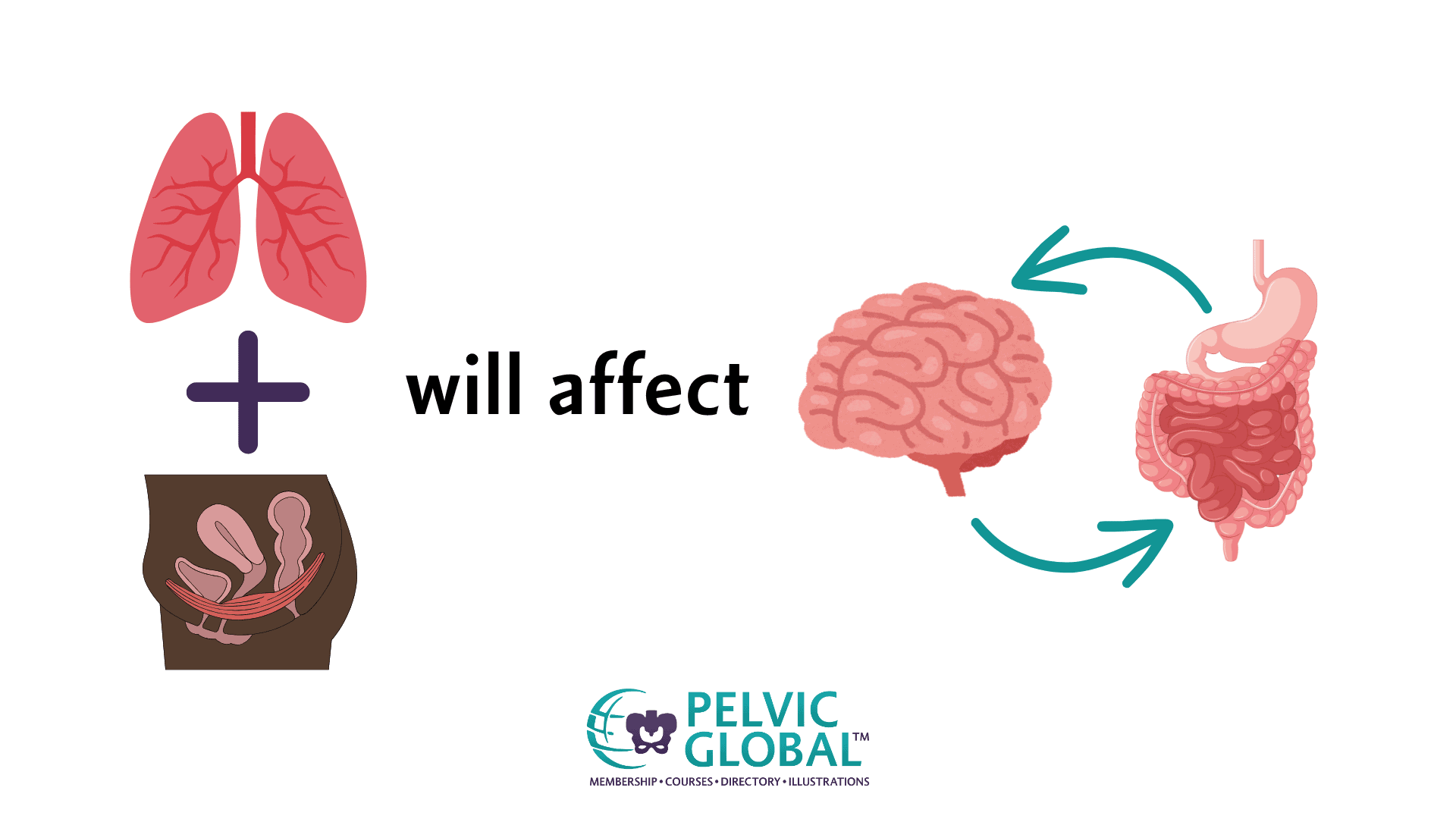
A growing body of research points to the importance of autonomic nervous system regulation in GI health. The autonomic nervous system, which controls involuntary functions like digestion, heart rate, and vascular tone, plays a vital role in maintaining gastrointestinal homeostasis.
Techniques such as heart rate variability (HRV) training aim to improve autonomic balance, often resulting in decreased stress responses and enhanced digestive function. When combined with nutritional strategies and physical interventions, HRV can be a powerful tool in managing complex GI disorders.
Controlled breathing activities, such as diaphragmatic breathing, slow breath exercises, and breath regulation techniques, have a significant positive impact on the gastrointestinal (GI) system. By promoting deep, mindful breathing, these activities activate the parasympathetic nervous system—the body’s rest-and-digest response—helping to reduce stress and sympathetic nervous system dominance that often exacerbates GI symptoms. This relaxation response decreases abdominal tension, improves blood flow to digestive organs, and can enhance motility and secretion, leading to better digestion and reduced symptoms like bloating, cramping, and constipation. Additionally, controlled breathing supports the regulation of the vagus nerve, a key component of the gut-brain axis, promoting overall gut health, balancing inflammation, and calming hypersensitive bowel responses. Implementing breathing exercises into the treatment continuum offers a simple yet effective way to modulate autonomic activity, reduce stress-related gastrointestinal dysfunction, and support optimal digestive function.
Understanding the links between the autonomic nervous system and GI symptoms encourages clinicians to adopt more holistic, integrative approaches rather than solely symptom-focused treatments.
Nutritional Optimization and Lifestyle Factors
Nutrition is at the heart of many gastrointestinal disorders. Food intolerances, dysbiosis (microbial imbalance in the gut), and movement in the digestive tract are all influenced by diet. Educating patients about fiber intake, hydration, and the avoidance of trigger foods can significantly reduce symptoms.
Additionally, lifestyle factors such as sleep hygiene, stress management, physical activity, and avoidance of smoking or excessive alcohol consumption are essential for comprehensive care. Clinicians should collaborate with dietitians and health coaches to develop individualized plans that promote gut health.
Sleep is essential for digestion because it helps regulate hormonal balance critical for gastrointestinal health. During restful sleep, hormones such as melatonin, growth hormone, and cortisol are tightly controlled, influencing gut motility, secretion, and repair processes. Melatonin, produced mainly at night, not only manages circadian rhythms but also has antioxidant and anti-inflammatory effects on the gut lining, supporting mucosal healing. Growth hormone facilitates tissue repair and regeneration, including the lining of the intestines, while balanced cortisol levels prevent inflammation and abnormal gut motility. Disrupted or insufficient sleep can lead to hormonal imbalances that impair these processes, resulting in digestive discomfort, slowed transit, and increased vulnerability to gastrointestinal disorders. Therefore, quality sleep is a fundamental component of maintaining healthy digestion through hormonal regulation.
Emerging research also highlights the importance of gut microbiota modulation through prebiotics, probiotics, and diet. A tailored approach considering each patient’s microbiome profile may offer even more effective solutions in the future.
Tech Tools to Assist Management
Biofeedback involves using electronic monitoring devices to help patients gain awareness and control over physiological functions, which can be particularly beneficial in managing stress-related GI symptoms.
Balloon catheter training is a valuable therapeutic technique that offers a non-invasive and versatile approach to addressing various gastrointestinal and pelvic floor disorders. By gently inserting and inflating a balloon catheter within the rectum or other parts of the digestive tract, clinicians can provide targeted neuromuscular stimulation, reduce spasticity, and promote relaxation of the pelvic floor muscles. This technique can help improve bowel motility, alleviate chronic constipation, and address pelvic floor dysfunctions, such as incontinence or hypertonicity. Additionally, balloon catheter training enhances patients’ awareness and control over their pelvic muscles, which is crucial for developing better coordination and function. Its usefulness lies in its ability to serve as an adjunct to manual therapy and movement exercises, offering a controlled and safe means to optimize neuromuscular function and support overall gastrointestinal health.
Telehealth and digital health tools also allow for more continuous and accessible patient engagement, education, and self-management strategies. Integrating these innovations into holistic models enhances the potential for improved outcomes.
Apps to cue breathing, nervous system regulation, nutrition, fluid intake, and sleep can be really helpful for this population as well and be available to patients on cue as they need.
Final Thoughts
A holistic approach to gastrointestinal health recognizes the complexity of these disorders and champions collaboration across disciplines. By combining physical therapy, nutrition, psychosocial support, and autonomic nervous system regulation, clinicians can tailor interventions to each patient’s unique needs, empowering them to regain control of their health and life.
Adopting this multifaceted mindset benefits not only patients but also healthcare providers, fostering professional growth and more meaningful patient relationships. As research and clinical practice continue to evolve, embracing a comprehensive, evidence-based model will remain essential for advancing GI care.
Frequently Asked Questions (FAQs)
Do you want to take a deeper dive?
Join The Ultimate Bowel Course: 2.0

Are you ready to deepen your understanding of gastrointestinal health and elevate your clinical practice? The Ultimate Bowel Course: 2.0 offers an in-depth, comprehensive curriculum covering all the topics discussed here. You’ll learn how to assess, diagnose, and implement a multidisciplinary, holistic treatment plan tailored for your patients with complex bowel disorders.
This course provides practical tools, case studies, up-to-date research, and hands-on techniques to help you:
- Perform thorough musculoskeletal and functional assessments
- Develop customized intervention plans using manual therapy, movement, and respiration
- Incorporate psychosocial and behavioral strategies into treatment
- Address autonomic nervous system regulation and nutritional optimization
- Use a balloon catheter as part of treatment
- Recognize red flags and know when to refer to specialists
Join us to enhance your skills, stay at the forefront of GI management, and make a real difference in your patients’ lives. Spaces are limited—enroll today and take your expertise to new heights!
Check out our Bowel Bootcamp!
This event is included in the Membership and can be purchased by nonmembers!

Dr. Tracy Sher will host three seasoned experts as they guide you through everything you need to know about bowel health, covering stimulating topics like nervous system interactions, cutting-edge treatment strategies, nutritional insights, and a holistic approach to gut wellness. With a lineup like this, you’re guaranteed to leave informed, inspired, and ready to implement positive changes into your practice!
Medical Management of Chronic Overlapping Bowel Disorders
with Dr. Zachary Spiritos
Practical Pelvic Health Management for Bowel Disorders
with Dr. Susan Clinton and Dr. Alana Devlin
Panel Q&A Discussion hosted by Dr. Tracy Sher
with Dr. Susan Clinton, Dr. Zachary Spiritos, and Dr. Alana Devlin
More Bowel Content!
Check out our Bowel & Bladder Pathway to see all of our courses, webinars, free content, (and for Members, handouts, illustrations and podcasts) in one place!